
ECC: An Open-Source Configuration System with 38 Agents for Claude Code
A GitHub favorite with 150k stars: a Claude Code configuration powerhouse with 38 specialized agents, 156 skills, and 1282 security tests, fully open-sourced under MIT
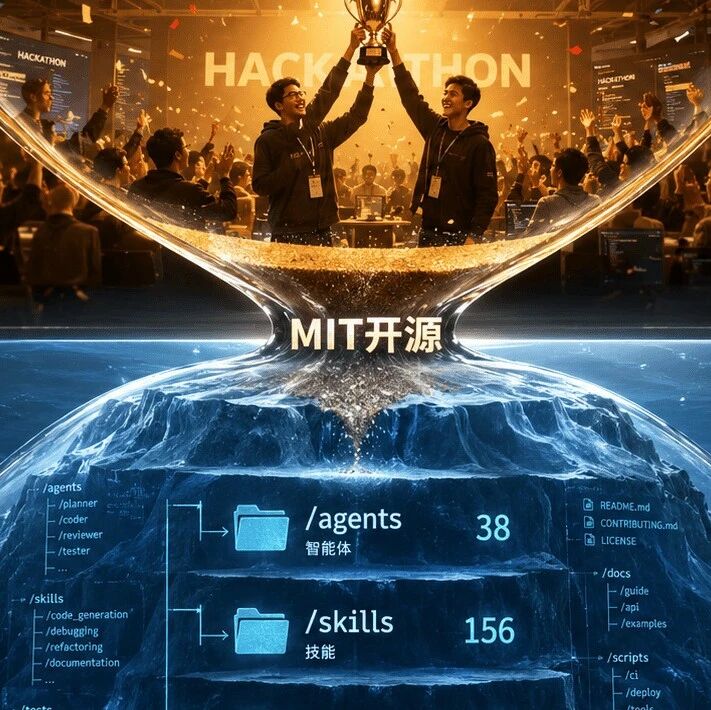
ECC: An Open-Source Configuration System with 38 Agents for Claude Code
A GitHub favorite with 150k stars: a Claude Code configuration powerhouse with 38 specialized agents, 156 skills, and 1282 security tests, fully open-sourced under MIT
If you write code with Claude Code but keep retyping the same instructions, manually checking for security issues, and re-explaining context across sessions -- Everything Claude Code (ECC for short) was built for you.
It's a Claude Code configuration system polished by San Francisco developer Affaan Mustafa over more than ten months and crowned champion at an Anthropic hackathon. After being fully open-sourced under MIT in January 2025, it quickly rocketed to 150k GitHub stars, making it the highest-starred Claude Code configuration project.
Project: github.com/affaan-m/ECC
What Is ECC
ECC is not a "prompt collection" — it's complete infrastructure for running AI agents. It decomposes, configures, and automates every step of the development workflow, turning your Claude Code from a chatbot waiting for questions into a self-running digital factory.
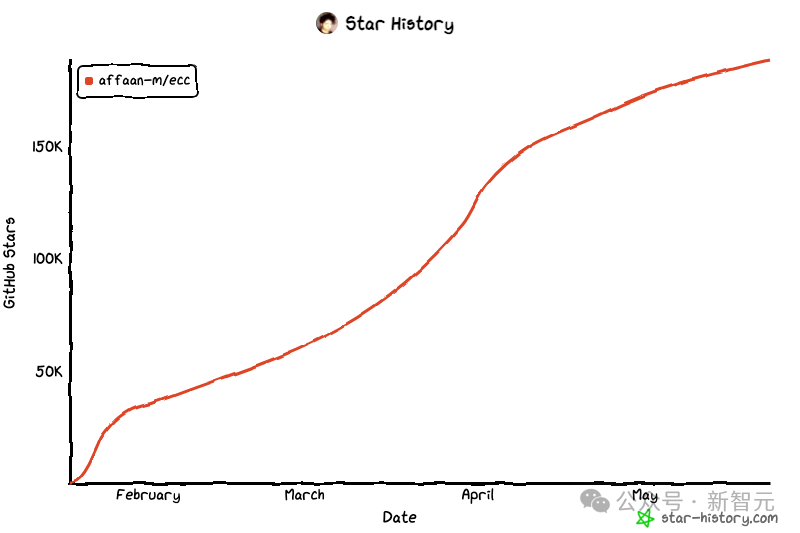
The core idea: stop treating AI as a chatbot that waits for your questions, and treat it as the infrastructure of a digital factory.
Core Capabilities
38 Specialized Agents
ECC ships with 38 on-demand specialized agents, each responsible for one specific domain:
- Planner: breaks down tasks and drafts execution plans
- Code reviewer: automatically checks code style and latent issues
- Security reviewer: scans for credential leaks and malicious code injection
- Debugger: locates errors and analyzes logs
- TDD agent: writes tests first, then the implementation

156 Skills + 72 Slash Commands
Skills aren't all loaded at once. ECC has a modular on-demand loading mechanism:
- When you're writing TypeScript, only the TS-specific Review agent activates
- When you start writing Python tests, the TDD agent wakes up
- Frequently used slash commands include
/plan,/tdd,/security-scan,/quality-gate, and more
This design keeps 156 skills from simultaneously cramming the Context Window, keeping the system lightweight and agile.
AgentShield Security Defense
ECC ships with 1,282 security tests forming the AgentShield security defense pipeline. Core functions:
- Millisecond-level scanning before the AI executes instructions
- Prevents credentials like API Keys and Tokens from being committed to public repositories
- The
--opusflag enables a separation-of-powers mode where the red team (attacker), blue team (defender), and auditor play against each other
Token Optimization
ECC does fine-grained Token optimization at the source level:
- mgrep replaces traditional grep: filters redundant blank lines and useless information, cutting Token consumption in the retrieval phase by 50%
- Stop hooks replace UserPromptSubmit: minimizes the latency of saving context memory and completes incremental builds locally
Case Study: A Complete Product in 8 Hours
At the September 2025 Anthropic x Forum Ventures hackathon, Affaan Mustafa and his partner David Rodriguez used this system to build the AI customer research platform Zenith from zero to one in 8 hours.
The workflow has four steps:
- Input the idea -- describe the product concept and target market
- AI research & ICP definition -- AI agents research the market automatically and generate the ideal customer profile
- Synthetic persona interviews -- hold in-depth interviews with AI personas simulating real prospective customers
- Real user validation -- find real customers and complete the final validation with insight-driven interviews
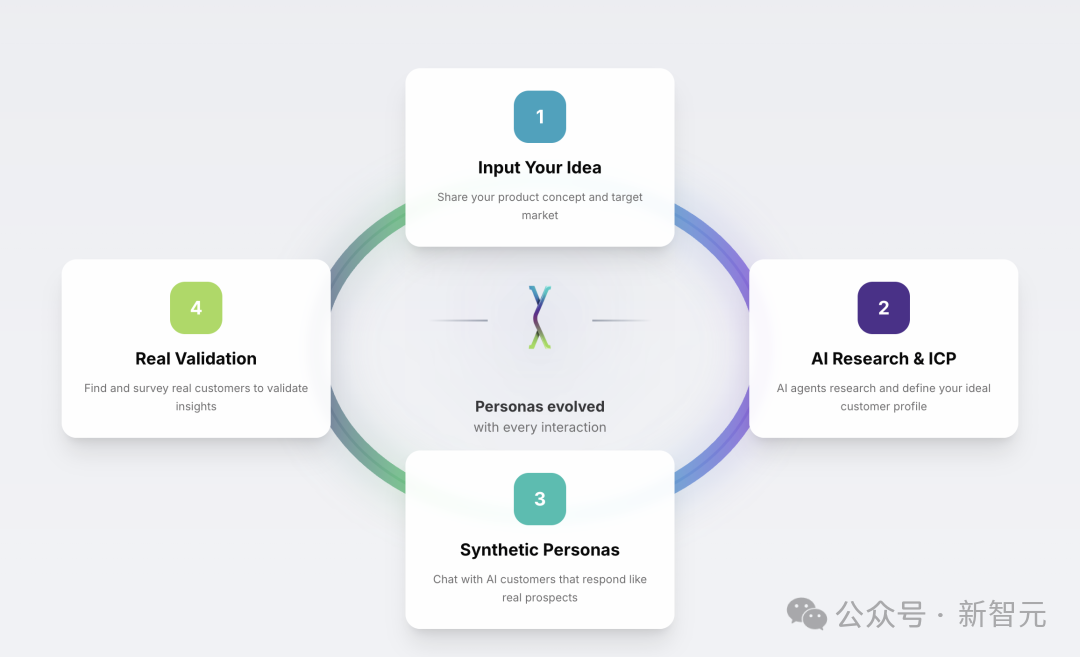
Claude Code built nearly the entire product; the author says he never typed code by hand. The key to winning wasn't typing speed or on-the-spot prompting, but a complete working system polished in advance.
How to Get Started
# Clone the repository
git clone https://github.com/affaan-m/ECC.git

# Configure your Claude Code following the README
# Put CLAUDE.md in the project root
# Configure .claude/settings.json
ECC covers 12 language ecosystems — whether you use TypeScript, Python, Rust, or Go, you'll find matching skill configurations.
Who It's For
- Developers who use Claude Code every day
- Teams that want to upgrade AI coding from "chatting" to an "engineering process"
- Individual developers who want a security line of defense against AI missteps
References:
Related articles
Google Workspace CLI: One Command Lets AI Agents Take Over Your Mail, Drive, and Calendar
An open-source CLI with nearly 30K stars wraps Gmail, Drive, Calendar, and Sheets into one unified interface, ships 100+ Agent Skills built in, and works for humans and AI alike.

Deemos Hyper3D Rodin Gen-2.5: 3D Generation Enters Its Thinking Era
The world's first 10M-polygon-class 3D generation model: 1M polygons in 4 seconds, 12K high-res textures, five switchable thinking depths, with B2B revenue exceeding the rest of its niche combined.

Xiaomi MiMo-V2.5-Pro-UltraSpeed: A 1T-Parameter Model Running at 1000 tokens/s
Xiaomi's flagship ultra-speed inference model breaks 1000 tokens/s of output on a standard 8-GPU commodity node, with output priced at 18 RMB per million tokens.
Google Ships Two Lightweight Creative Models: Images in 4 Seconds, Video in 10
Google releases the Nano Banana 2 Lite image model and the Gemini Omni Flash video model, built for speed and savings — $0.034 per image and $0.10 per second of video, already embedded in the Gemini App and YouTube Shorts for free.

Claude Tag Turns Claude Into a Team AI Colleague That Lives in Slack
Anthropic releases Claude Tag, evolving Claude Code into a team collaboration agent with shared context, persistent memory, and proactive intervention, now in Beta for Enterprise and Team users.

Doubao Seed 2.1 Pro Hands-On: Coding Crosses the Usability Line, and Multimodal Recognition Holds a Surprise
Volcengine launches the Doubao Seed-2.1 series: the Pro tier reaches production-grade usability for coding and agent calls, photo-based fish recognition outperforms Gemini 3.1 Flash, with 6 tested prompts included.