
Astribot T1: An 89,900-Yuan Humanoid Robot Goes on Sale
Astribot launches the T1 humanoid robot starting at 89,900 yuan, with a three-in-one architecture of tendon-driven body + in-house AI model + embodied OS, shipping from June 1.
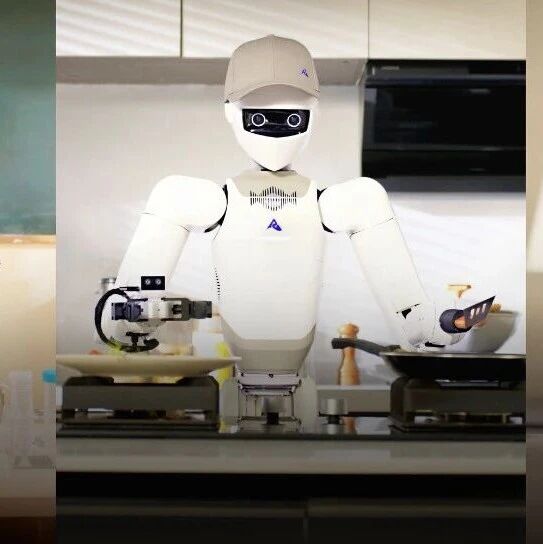
Astribot T1: An 89,900-Yuan Humanoid Robot Goes on Sale
Astribot launches the T1 humanoid robot starting at 89,900 yuan, with a three-in-one architecture of tendon-driven body + in-house AI model + embodied OS, shipping from June 1.
What kind of humanoid robot can you get for 89,900 yuan? Astribot's answer is the T1 — 1.55 meters tall, about 66 kilograms, 5-kilogram single-arm payload, 23 degrees of freedom (excluding end effectors), humanoid in form factor. Shipping starts June 1.
What the T1 Is
The T1 is Astribot's tendon-driven humanoid robot, called "China's answer to Figure" in the industry. It emphasizes compact portability, a low development barrier, flexible deployment, and extensibility:
- Core manipulation metrics — precision, speed, and dexterity — all approach human levels
- Swappable end effectors, swappable compute backpacks, automatic recharging, and fast battery swaps
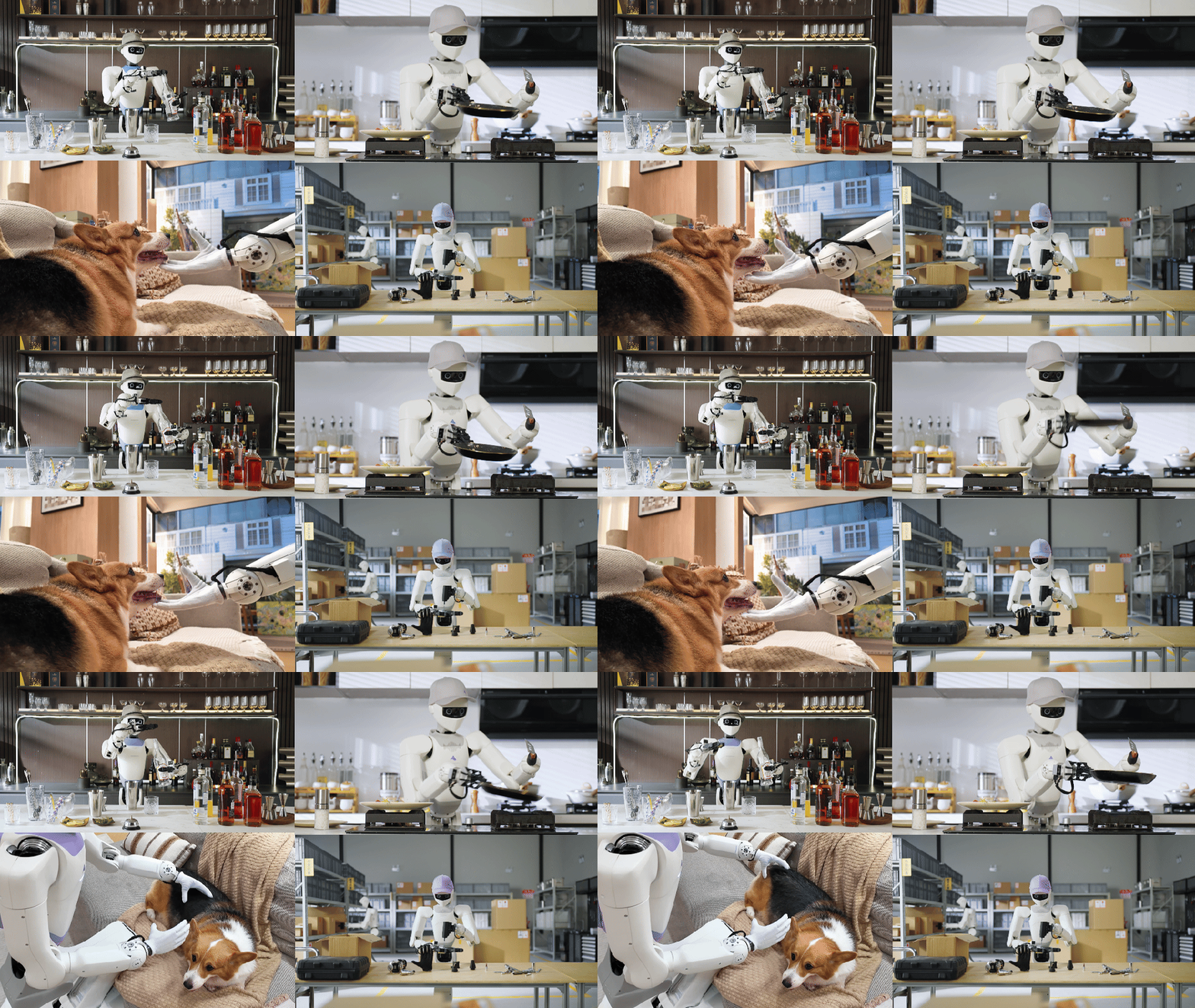
- One robot, many uses, covering home, commercial, research, entertainment, and industrial scenarios
A Three-in-One Architecture
Astribot's core philosophy is in-house development of all three pillars — "AI model - embodied OS - tendon-driven body" — none dispensable:
Tendon-driven body
The in-house tendon-driven transmission uniquely delivers three advantages: highly dexterous manipulation force, highly human-like expressiveness, and high interaction safety. Tendon drives are more compliant than rigid transmissions, making them safer in fine manipulation and human-robot interaction scenarios.
AI model
The in-house foundation model Lumo advances a fast/slow system deployment framework — the fast system handles real-time response while the slow system processes long-horizon complex tasks. Physical Intelligence, a top-tier model company, has officially named Astribot its first partner.
Embodied OS
An operating system connecting AI, robots, and people — much as the original Mac OS rebuilt the human-computer relationship with the graphical interface. Major announcements are coming.
Commercialization Progress
Astribot became the world's first company to mass-produce tendon-driven AI robots in June of last year, and expects production capacity to reach over 10,000 units this year. It currently holds orders totaling several thousand units from customers including Jinma Rides and SEER Robotics, and has validated ROI models across multiple single scenarios.
The "robot MART" retail cart unveiled at the end of last year has entered popular commercial districts in Beijing, Shanghai, Guangzhou, Shenzhen, and other cities, running fully autonomously on AI to handle complex operations like voice greeting, order taking and payment, and grabbing and handing over goods.
Price Comparison
| Product | Price | Mass-production status |
|---|---|---|
| Astribot T1 | From 89,900 yuan | Ships June |
| 1X Technologies (OpenAI-backed) | ~$20,000 | In pilot production |
Compared with 1X Technologies, which follows the same tendon-driven route, the T1 is a generation ahead on both price and time-to-market window.
Who It's For
- Research institutions: a low-barrier development platform, well suited to embodied-intelligence research
- Commercial scenarios: retail greeting, entertainment interaction, and other settings that need humanoid interaction
- Industrial scenarios: flexibly deployed fine-manipulation tasks
- Developers: individuals and teams wanting to get into Physical AI development
Related articles

Higress: The AI-Assisted K8s Gateway Migration Tool
An AI-assisted migration approach showcased by CNCF converts 60 ingress-nginx resources into Higress configuration automatically in about 30 minutes, slashing K8s gateway migration costs.

JoyAI-Echo: An Open-Source Framework for 5-Minute Long-Video Generation
JD's open-source AI long-video framework generates cross-shot audio-video up to 5 minutes in a single pass, supports local edits, and says goodbye to gacha-style rerolling.
OpenSquilla: A Token-Saving Middleware Layer for Agents
An open-source Agent Harness framework that cuts Agent token costs by more than 50% through intelligent routing, context management, and self-evolution.

Gemma 4 12B: Run a Multimodal AI Model on a 16GB Laptop
Google releases a 12-billion-parameter open-source multimodal model with text, image, and audio input; it runs locally on a laptop with just 9GB of VRAM, under the Apache 2.0 license.

Hermes Desktop: The Open-Source Agent Moves onto the Desktop
Nous Research launches Hermes Desktop, an open-source desktop agent covering macOS/Windows/Linux that reuses the CLI agent's full skills and memory — usable with just mouse clicks.
Kimi Work: A Local AI Agent for Knowledge Workers
Moonshot AI launches a desktop general-purpose Agent with Agent clusters, browser control, and financial data sources, letting office workers handle their daily work with AI.